About Fistula (फिस्टुला)
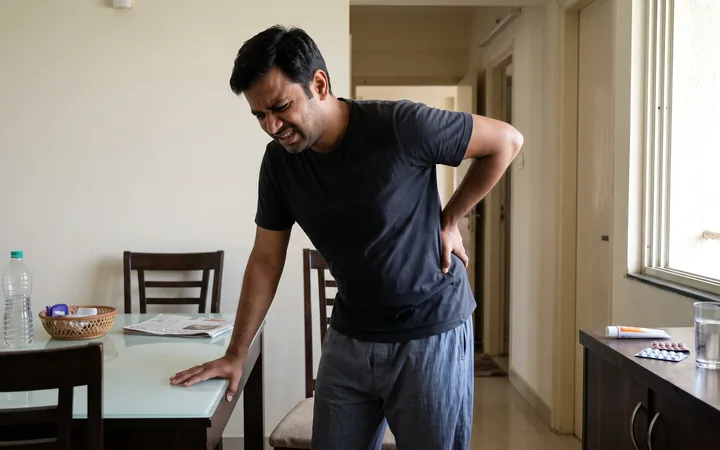
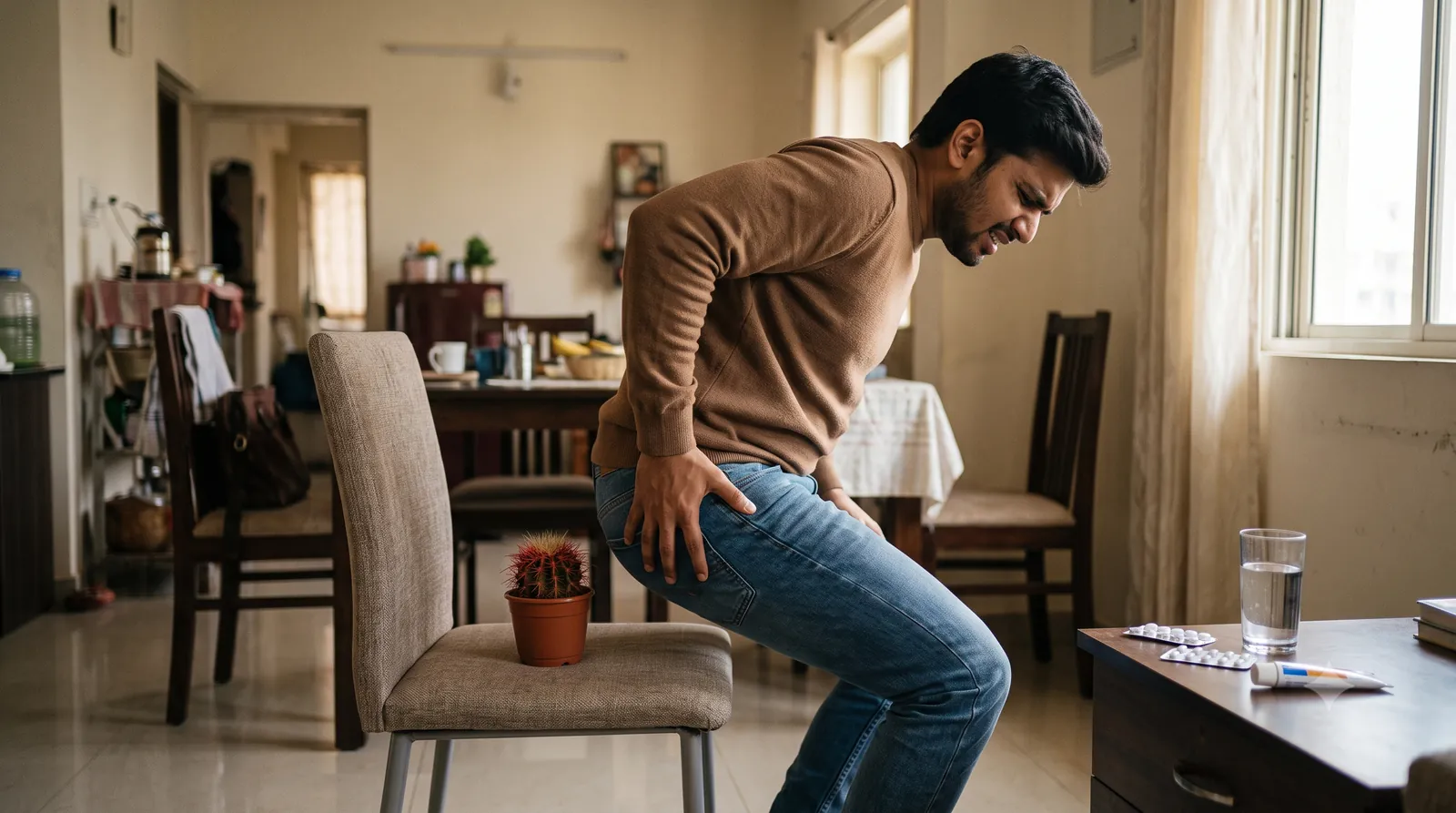
An anal fistula (भगंदर, Bhagandara in Ayurveda) is a small abnormal tunnel that forms between the inside of the anal canal and the skin around the anus. It often follows an abscess and causes repeated boils, pus or blood discharge, pain and swelling that keeps coming back.
Fistulas rarely heal on their own and ointments alone do not close the tunnel. Kshar Sutra therapy has been used for centuries and is widely practised in India for fistula-in-ano because it treats the tract gradually while aiming to protect the sphincter muscles that control the bowel.
Common signs
- Repeated boils or a small opening near the anus
- Pus, blood or foul-smelling discharge
- Pain and swelling that comes and goes
- Irritation and itching of the skin around the anus
- Pain while sitting, walking or passing stool
- Fever in case of an active abscess
Common causes
- A previous anal abscess that did not heal fully
- Long-standing constipation or diarrhoea
- Infections or inflammatory bowel conditions
- Previous anal surgery or injury
- Diabetes and low immunity
- Poor hygiene and prolonged sitting
How Kshar Sutra treats fistula
After examination, a medicated Kshar Sutra thread is passed through the tract by the doctor. The thread is changed at regular intervals, usually weekly. With each change the tract becomes shorter as the thread cuts and heals it gradually, while the surrounding tissue closes behind it.
This slow method aims to protect the anal sphincter and reduce the risk of incontinence. You can usually go home the same day and return to light daily activities, as advised by your doctor. Regular follow-up visits are essential for good results.
Piles, Fissure or Fistula? Know the difference
These three conditions are often confused because they occur in the same area. This quick guide shows how they differ. Only an examination can confirm which one you have.
| Feature | Piles (बवासीर) | Fissure (फिशर) | Fistula (भगंदर) |
|---|---|---|---|
| What it is | Swollen veins inside or around the anus | A small tear in the lining of the anal canal | An abnormal tunnel between the anal canal and the skin |
| Ayurvedic name | Arsha | Parikartika | Bhagandara |
| Typical pain | Often painless; pain if swollen or clotted | Sharp, cutting pain during and after stool | Throbbing pain, worse before discharge |
| Bleeding | Bright red blood, often with stool | Small streaks of bright red blood | Uncommon; blood may mix with pus |
| Other signs | Lump, itching, feeling of incomplete evacuation | Spasm, fear of passing stool, skin tag | Boils, pus discharge, a small opening near the anus |
| Common triggers | Constipation, straining, low-fibre diet | Hard stools, constipation, diarrhoea | Anal abscess that did not heal |
| Heals on its own? | Early stages may improve with care | Recent tears often heal with care | Rarely; a tract usually needs a procedure |
| Our usual approach | Medicines, diet, Kshar Sutra in selected cases | Medicines, sitz bath, diet and local care | Kshar Sutra therapy with regular follow-up |
Kshar Sutra vs Laser treatment
Many patients in Jodhpur ask whether laser is better than Kshar Sutra. Here is an honest side-by-side comparison to help you decide with your doctor.
| Feature | Kshar Sutra | Laser treatment |
|---|---|---|
| Method | Medicated herbal thread treats the tract gradually | Laser energy is used to close the tract or shrink tissue |
| Sphincter muscle | Gradual cutting and healing aims to protect the sphincter | Aims to save muscle; results vary with the type of tract |
| Complex or high fistula | Widely used in complex fistulas | May not suit every type of tract |
| Recurrence | Reported to be low in properly selected cases | Recurrence is reported in some cases |
| Cost | Generally more economical | Generally higher, due to equipment cost |
| Wound care | Wound heals gradually from within with medicated dressings | Small wound, quick procedure |
| Visits needed | Regular thread changes, usually weekly | Fewer visits, but follow-up is still required |
| Healing time | Takes longer; depends on tract length | Can be quicker in suitable cases |
| Side-effects | Mild discomfort or discharge during treatment | Pain, swelling or incomplete closure can occur |
This is a general comparison. The right choice depends on your examination and the type of problem. Outcomes differ from person to person.
What to expect at the clinic
- Private consultationHistory, examination and tract assessment, with full confidentiality.
- Diagnosis & planWe explain the type of fistula, the expected duration and the follow-up schedule.
- Kshar Sutra placementDay-care procedure with local anaesthesia; medicines and dressings are provided.
- Regular thread changeWeekly visits until the tract has healed, then review for recurrence.
Everyday tips that help
- Keep the area clean; wash gently after each bowel movement
- Take warm sitz baths as advised
- Eat fibre-rich food and drink enough water to avoid constipation
- Do not miss thread-change visits
- Control blood sugar if you are diabetic
- Avoid long continuous sitting during treatment
Frequently asked questions
This page is for general education only and does not replace a medical examination. Treatment outcomes differ from person to person.